Roof lifespan Alberta homeowners can expect is never just about the material printed on a warranty sheet. A roof in a milder climate may age slowly and predictably. A roof in Calgary, Airdrie, Chestermere, Okotoks, or the surrounding Alberta communities has a harder job. It has to deal with heavy snow, hail, wind, freeze-thaw cycles, summer heat, rapid Chinook temperature swings, and long periods of moisture sitting where it should not.
That is why the answer to “how long will my roof last?” needs more context. Asphalt shingles, metal roofing, rubber systems, and flat roofing assemblies can all perform well when installed properly. But the actual lifespan depends on slope, ventilation, attic conditions, underlayment, flashing, maintenance, storm exposure, and how quickly small problems are repaired.
At Lumina Roofing & Exteriors, we look at roof lifespan Alberta conditions through the full roofing system, not just the surface material. A roof protects the home only when the shingles, ventilation, decking, flashing, eavestroughs, soffits, fascia, and drainage all work together.
Why Alberta Weather Changes Roof Lifespan
Alberta weather does not age a roof in one simple direction. It pulls on the system in different ways all year.
Winter adds snow load, ice buildup, and attic condensation risk. Chinooks can melt snow quickly, then freezing temperatures can turn that meltwater into ice at the eaves. Spring and summer bring hail, hard rain, and wind. Fall adds debris in gutters and moisture around roof edges before the first deep freeze.
This matters because roof lifespan Alberta homes get is often shorter when small stress points are ignored. A shingle may not fail because it is old. It may fail because wind lifted a loose tab, hail bruised the mat, or an ice dam pushed water under the edge. A flat roof may not fail because the membrane is done. It may fail because water is ponding around a drain or flashing has separated near a wall.
The material matters. The climate decides how hard that material has to work.
Asphalt Shingle Roof Lifespan in Alberta
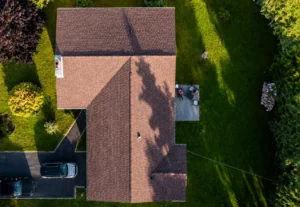
Asphalt shingles are one of the most common roofing choices for Alberta homes because they balance cost, appearance, performance, and availability. For many homeowners, they make practical sense. They are familiar, relatively efficient to install, and available in many colours and grades.
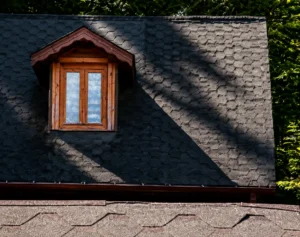
In Alberta, a standard asphalt shingle roof may last around 15 to 25 years, depending on product quality, installation, ventilation, slope, and exposure. Architectural shingles can often perform longer than basic 3-tab shingles because they are thicker and more durable, but they still need proper installation and maintenance.
The biggest threats to asphalt shingles in Alberta are hail impact, wind uplift, poor attic ventilation, ice damming, and granule loss. Granules protect the asphalt layer from UV exposure. Once they start wearing away, the shingle becomes more vulnerable to cracking, curling, and water penetration.
If a roof has missing shingles, lifted edges, exposed nail heads, bald patches, or recurring leaks after storms, it may be moving toward the end of its useful life. The roof may not need immediate replacement in every case, but it should be inspected before the next season puts more pressure on the system.
Metal Roof Lifespan Alberta Homeowners Should Expect
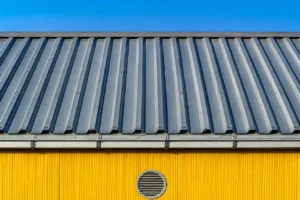
Metal roofing is often chosen by homeowners who want a longer-lasting system and stronger performance against snow shedding, wind, and long-term weather exposure. It is usually more expensive upfront than asphalt shingles, but it can offer a much longer service life when properly installed.
A well-installed metal roof in Alberta may last 40 years or more, depending on the product, coating, fastener system, slope, and maintenance. Standing seam systems usually perform differently than exposed fastener metal panels because fewer penetrations are directly exposed to weather.
Metal roofs can be a strong choice for homeowners planning to stay in the property long-term. They handle snow differently than asphalt, resist many forms of surface aging, and can provide a cleaner path for water movement when the system is designed correctly.
That said, metal is not maintenance-free. Fasteners, sealants, flashing, transitions, snow guards, and penetrations still need attention. Hail can also dent certain metal products, especially depending on gauge, profile, and storm severity. A metal roof may continue protecting the home after cosmetic denting, but a professional inspection is still important after major hail events.
For roof lifespan Alberta comparisons, metal often wins on long-term durability. The real decision is whether the upfront investment fits the home, budget, aesthetic, and expected time in the property.
Rubber Roofing and Flat Roof Systems
Rubber roofing is often used on low-slope or flat roof areas where traditional shingles are not the right fit. In Calgary and Alberta, these systems may appear on commercial buildings, garages, additions, multifamily properties, and certain residential roof sections.
A rubber roof system can perform well when it is installed with correct drainage, clean seams, properly sealed penetrations, and strong edge details. Depending on the product and installation, rubber and membrane roof systems can often last 20 years or more, but the range varies significantly because flat roofs depend so heavily on drainage and detailing.
The biggest risk for rubber roofing Calgary properties face is standing water. Snow can sit longer on low-slope sections. When it melts, water needs a clean path to drains, scuppers, or eavestroughs. If water ponds repeatedly, it can stress seams, flashing, and membrane surfaces.
Flat and low-slope roofs should be inspected more regularly than steep-slope roofs because problems can hide until water finds its way inside. A small seam issue or blocked drain can become a larger repair if it sits through freeze-thaw cycles.
For commercial and low-slope properties, roof lifespan Alberta conditions make maintenance just as important as material selection.
What Hail Does to Roof Lifespan
Hail is one of the biggest reasons Alberta roofs age faster than expected. A roof may look fine from the ground after a storm, but hail damage is not always obvious. Shingles can be bruised, granules can be knocked loose, vents can be dented, flashing can be damaged, and impact points can weaken the system before a leak appears.
This is where many homeowners wait too long. They assume no interior leak means no problem. But roof damage often starts on the surface and works inward over time. The next rain, snow, or freeze-thaw cycle can turn a hidden weak spot into a visible issue.
Hail can affect different materials differently. Asphalt may lose granules or develop impact marks. Metal may dent. Soft metals around vents, caps, and flashing may show obvious impact. Rubber and membrane systems may need close inspection for punctures, seam stress, or surface damage.
If your neighbourhood has gone through a major hailstorm, a professional roof inspection is worth scheduling even if the roof appears normal from the driveway. Catching damage early can help protect the rest of the home and support any insurance documentation that may be needed.
Ventilation, Attic Health, and Hidden Aging
A roof can age from the inside as much as from the outside. That is why ventilation plays such an important role in roof lifespan Alberta homeowners actually receive.
Poor attic ventilation can trap warm, moist air under the roof deck. In winter, that moisture can freeze as frost. During a Chinook or sudden warm spell, it can melt and look like a roof leak. This is often called attic rain, and it can affect insulation, decking, drywall, and indoor comfort.
Ventilation also helps reduce heat buildup in summer. When attic heat becomes excessive, it can accelerate shingle aging and affect the overall roofing system. Proper airflow through soffits and roof vents helps balance the temperature and move moisture out before it creates damage.
This is why roof replacement should never be treated as “just shingles.” If the attic is not breathing properly, a new roof may still face avoidable stress. A strong installation should review intake, exhaust, soffit condition, insulation placement, and signs of moisture before the final system is planned.
How Maintenance Extends Roof Life
The easiest way to lose years from a roof is to ignore small issues until they become expensive ones. Maintenance does not make a roof last forever, but it can help the roof reach the upper end of its expected lifespan.
For Alberta homeowners, maintenance should include seasonal visual checks, eavestrough cleaning, downspout checks, flashing inspection, attic review, and storm damage assessments after severe weather. Branches should be trimmed away from the roof, debris should be removed from valleys, and any missing or lifted shingles should be addressed quickly.
Maintenance is especially important before winter. Gutters and downspouts need to move meltwater away from the home. If water cannot drain properly, ice damming becomes more likely. Once ice forms along the eaves, water can work its way under roofing materials and into the home.
A well-maintained roof does not just last longer. It performs more predictably. That matters in a climate where one storm or one sudden thaw can test the entire system.
When Repair Still Makes Sense
A roof does not always need replacement the moment it has a problem. If damage is localized, the materials are still in good condition, and the roof has several years of useful life left, repair may be the smarter option.
Missing shingles, small flashing issues, isolated vent damage, and minor storm damage may be repairable. The key is understanding whether the problem is truly isolated or part of a larger pattern.
If shingles are curling across large sections, granule loss is widespread, leaks keep returning, decking feels soft, or repairs are becoming frequent, replacement may be more cost-effective. At that point, putting more money into small fixes may only delay the inevitable.
A professional inspection helps separate a roof that needs attention from a roof that is near the end. That distinction matters because roof lifespan Alberta conditions can vary widely from one property to the next, even in the same neighbourhood.
Choosing the Right Roof Type for Alberta
The right roof type depends on more than lifespan. Budget, home design, slope, neighbourhood style, insurance considerations, maintenance expectations, and long-term plans all matter.
Asphalt shingles can be a good fit for homeowners who want a practical, familiar, and cost-effective option. Upgraded architectural shingles may provide better durability and curb appeal than basic products.
Metal roofing can make sense for homeowners looking for a longer-term investment, especially when the design and budget support it. It may also appeal to those who want a roof that handles snow and weather differently than asphalt.
Rubber roofing and membrane systems are usually chosen based on roof slope and building type. They are not always a style choice. They are often the correct technical choice for areas where shingles should not be used.
The best roofing decision is not the one with the longest theoretical lifespan. It is the one that fits the home, climate, drainage, ventilation, and owner’s priorities.
The Real Answer to Roof Lifespan in Alberta
A roof in Alberta can last many years when the material is right, the installation is professional, and the system is maintained. But there is no single number that applies to every roof. Two homes built in the same year can have very different outcomes depending on sun exposure, attic ventilation, hail history, slope, material grade, and repair timing.
Asphalt shingles may serve a home well for 15 to 25 years. Metal roofing may last 40 years or more. Rubber and membrane systems can provide strong performance on low-slope areas when drainage and seams are maintained. Those numbers are useful, but they are only starting points.
The better question is not just how old your roof is. It is how well your roof is performing now.
If you are unsure where your roof stands, Lumina Roofing & Exteriors can help assess its condition, explain your options, and recommend the right path for repair, maintenance, or replacement. Contact Lumina Roofing & Exteriors to schedule a professional roof inspection and understand your roof lifespan Alberta homeowners can plan around with more confidence.