Asphalt roof installation is the most common roofing project on Calgary residential properties, and it is also one of the most misunderstood in terms of what the process actually involves from the moment a crew pulls into the driveway to the moment they leave.
Most homeowners have a general sense that shingles go on a roof, but the layers underneath those shingles, the decisions made about deck condition before anything new goes down, and the sequencing that determines whether the finished system performs over its full intended lifespan are details that rarely come up until something goes wrong.
Understanding what a properly executed asphalt roof installation looks like in Calgary’s specific climate gives you a much sharper lens for evaluating contractors, comparing quotes, and knowing whether the work done on your home was done correctly.
At Lumina Roofing & Exteriors, we have completed enough Calgary installations across enough property types to know that informed homeowners make better roofing decisions, and that transparency about the process is the foundation of a project that both parties are satisfied with when it is finished.
Why Asphalt Remains the Dominant Choice for Calgary Residential Roofing
Asphalt shingles hold their position as the primary roofing material on Calgary homes not because they are the most durable option available, but because they deliver the right balance of performance, cost, and availability for most residential applications in this market.
A quality architectural asphalt shingle installed correctly on a well-prepared substrate, with appropriate underlayment and attic ventilation, will perform reliably through Calgary winters, survive moderate hail events, and reach its manufacturer-rated lifespan without significant intervention.
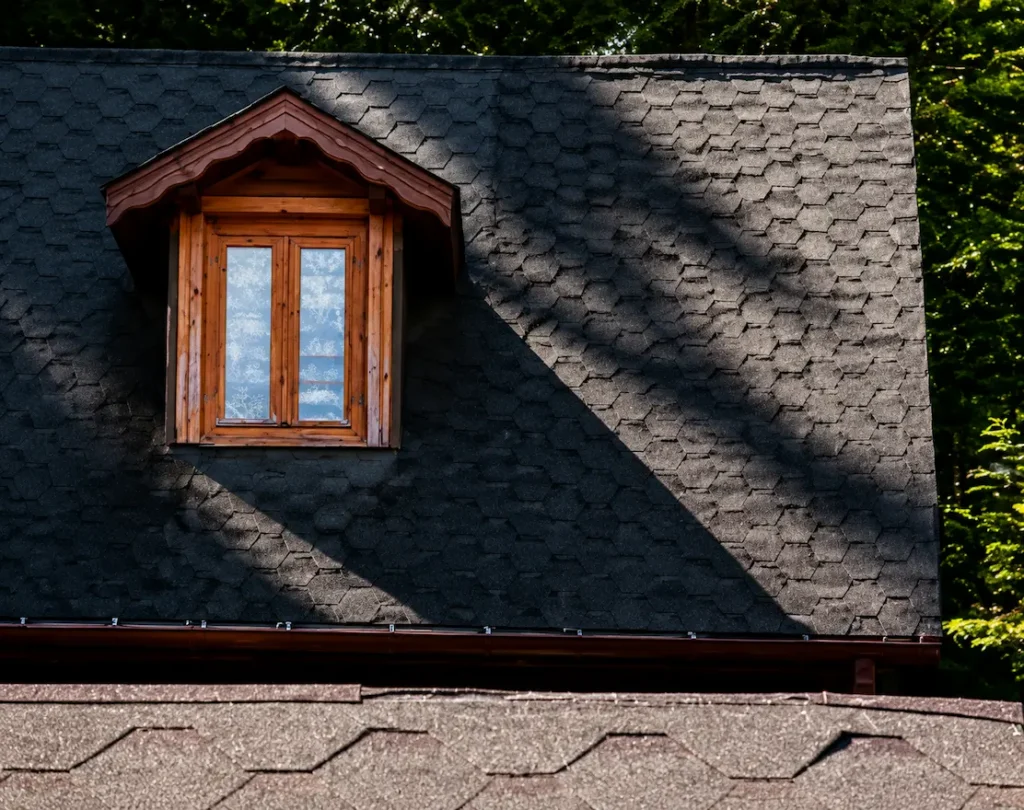
The product category has also evolved considerably over the past two decades. Architectural shingles, sometimes called dimensional or laminate shingles, replaced three-tab profiles as the standard specification for most Calgary replacement projects because their layered construction handles wind uplift more effectively, presents a more dimensional visual profile on steeper pitches, and carries longer warranty terms from manufacturers.
Impact-rated architectural shingles, those meeting the UL 2218 Class 4 standard for hail resistance, have become a meaningful segment of the Calgary replacement market specifically because of the city’s documented hail exposure. These are not niche products in this market. They are a practical response to a real and recurring risk.
The availability of asphalt roofing materials through multiple supply channels in Calgary also matters for project timelines and material consistency. Metal roofing components, particularly for concealed fastener and standing seam systems, have longer lead times and more limited local inventory.
Asphalt shingles from major manufacturers are consistently stocked in the Calgary market, which means a replacement project can be scheduled, material-confirmed, and executed within a realistic window rather than waiting on product availability.
The Asphalt Roof Installation Process: What Happens Before the Shingles Go On
A proper asphalt roof installation begins well before the first shingle is opened. The existing roofing material needs to come off, and what the tear-off reveals shapes everything that follows. Stripping an existing shingle system exposes the roof deck beneath it, and the condition of that deck is one of the most significant variables in the total project scope.
Rotted sections, soft spots, areas with raised fasteners from previous installations, and sections where moisture intrusion has compromised the structural integrity of the sheathing all need to be identified and addressed before any new material goes down.
Deck inspection during tear-off is not a formality. Calgary homes that have carried an aging or failing roof through multiple seasons regularly show moisture damage at the deck level that was not detectable from the surface of the old shingles.
A roof that felt structurally sound from above can reveal softened or delaminating plywood sheathing once the material on top is removed. The extent of that damage determines whether the project stays within its original scope or requires additional decking replacement before the installation can proceed.
Once the deck is confirmed to be sound and any damaged sections are replaced, the installation surface needs to be prepared. Existing drip edge is removed and replaced as part of a full installation. The drip edge is the formed metal strip at the eave and rake edges that directs water off the deck edge and into the gutter rather than allowing it to track back under the roofing material.
Ice and Water Shield: The First Layer That Actually Matters
Ice and water shield is a self-adhering modified bitumen membrane applied directly to the roof deck before the underlayment and shingles go on. In Calgary’s climate, this layer is not optional and it is not a premium upgrade. It is the primary defense against ice dam intrusion at the eave, and in Alberta it is required by building code provisions that recognize the region’s freeze-thaw conditions as a specific design challenge for residential roofing assemblies.
The membrane adheres directly to the deck surface and seals around fasteners that penetrate it, creating a watertight layer at the eave zone that prevents water backed up behind an ice dam from tracking under the shingles and into the roof assembly.
The minimum coverage extends from the eave edge to a point 600 millimetres inside the interior wall line below, though many Calgary installations run it further up the slope in areas of high ice dam exposure or on roof sections with lower pitches where water moves more slowly toward the eave.
Ice and water shield is also applied at valleys, around chimneys, and at other penetration and transition points where water concentration increases and the risk of intrusion is higher than on the open field of the roof. Getting these detail areas right during an asphalt roof installation is what separates a system that performs through a decade of Calgary winters from one that develops problems within the first few seasons at exactly the points where the membrane should have been.
Underlayment: The Layer Between the Shield and the Shingles
Synthetic underlayment covers the field of the roof deck above the ice and water shield at the eave and transitions into a full-field layer across the rest of the roof surface. Synthetic products have largely replaced traditional felt underlayment on Calgary replacement projects because they are more resistant to tearing during installation in windy conditions, they do not absorb moisture if the roof is left exposed overnight between installation sessions.
The underlayment is a secondary water management layer. If water gets past the shingles at a point of damage or failure, the underlayment is what prevents it from reaching the deck immediately. It is not designed to be a long-term waterproofing membrane on its own, but its integrity matters in the gaps between shingle performance and deck protection.
Underlayment that is improperly lapped, torn during installation, or inadequately fastened creates pathways for water migration that the shingles above cannot prevent on their own.
Lap direction and lap distance are installation details that matter more than they might appear to. Underlayment courses should run horizontally across the roof with each upper course overlapping the one below it by the manufacturer’s specified distance, ensuring that water running down the slope always sheds onto the top surface of the layer below rather than finding a gap where it can track underneath.
Shingle Selection for Calgary’s Climate Conditions
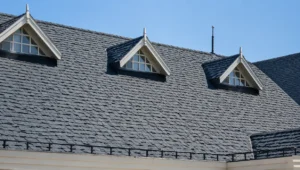
Architectural shingles are the baseline specification for most asphalt roof installation projects on Calgary primary residences in 2026. Their laminated construction creates a dimensional surface profile that sheds water more effectively than a flat three-tab profile, resists wind uplift at the lower shingle tabs more reliably, and presents a visual depth that holds up on the steeper pitches common in Calgary residential architecture.
Class 4 impact-rated shingles are a category worth understanding specifically in Calgary’s context. These products meet the UL 2218 standard for hail impact resistance, which involves testing with steel balls of specified diameter dropped from specified heights without the shingle fracturing or exposing the substrate beneath.
Class 4 is the highest rating available, and in Calgary’s hail corridor it represents a genuine performance difference compared to unrated or lower-rated products, particularly in the moderate to large hail events that the city experiences multiple times each active season. Several Alberta insurance providers recognize Class 4 rated roofing with premium adjustments, which adds a long-term financial return to what is already a sound material choice.
Color selection on asphalt shingles is not purely aesthetic in Calgary’s climate. Darker shingles absorb more solar radiation, which can slightly accelerate granule aging in the high-UV summer months but also contributes to faster snow shedding in winter..
Neither effect is dramatic enough to override design or preference considerations, but for homeowners who ask, the trade-off is real and worth understanding before committing to a color family.
The Installation Sequence: From First Starter Course to Ridge Cap
Asphalt roof installation follows a defined sequence that begins at the eave and works up the slope to the ridge. The starter course is the first row of shingles applied along the eave edge, installed in a specific orientation that seals the joints in the first full course of shingles above it.
The starter course is a separate product from the field shingles, or cut from field shingles with the tabs removed, and its function is to prevent wind uplift at the lowermost edge of the installation and to seal the gaps between the tabs of the first full course.
Field shingles are installed in horizontal courses working up the slope, with each course offset from the one below it by a specified amount to ensure that no two vertical joints align across adjacent courses. Aligned joints create pathways for water to track down through the shingle layer rather than shedding off the surface.
The offset distance varies by shingle pattern and manufacturer specification, and maintaining it consistently across the full field is part of what produces a finished installation that sheds water uniformly and looks visually regular from the ground.
Fastening is one of the details that most homeowners never see but that affects the long-term performance of an asphalt roof installation more than almost any other single variable. Each shingle requires a specific number of fasteners, positioned within a defined nailing zone marked on the shingle surface, driven to a specific depth that compresses the shingle without cutting through it.
Hip and Ridge Caps: Finishing the Asphalt Roof Installation Correctly
Ridge cap shingles are the final layer applied to an asphalt roof installation, covering the peak of the roof and the hip ridges on hipped roof configurations. They are exposed to wind from multiple directions simultaneously and sit at the highest point on the roof where exposure is greatest.
Most major shingle manufacturers produce dedicated ridge cap products that are thicker and more flexible than field shingles to accommodate the bend around the ridge without cracking, and that carry a separate wind rating for their specific application at the peak.
Using cut field shingles as ridge caps is a practice that some installers use to reduce material cost. It is not a preferred specification on a quality Calgary installation because field shingles are not designed to flex around a ridge without stress fractures developing at the bend point, and they do not carry the same wind uplift resistance as dedicated ridge cap products at the most exposed location on the roof.
Hip cap installation on a hipped roof configuration follows the same principles as ridge cap work but involves additional complexity at the point where hip ridges meet the main ridge at the peak. The termination detail at those junctions needs to be lapped correctly to maintain the shed direction and sealed against wind-driven rain intrusion from the directions that the geometry of the junction creates.
At Lumina Roofing & Exteriors, every asphalt roof installation we complete follows a sequenced process that treats deck preparation, membrane layers, underlayment, and shingle installation as a connected system rather than independent steps.
What the Timeline Looks Like for a Calgary Asphalt Roof Installation
A standard residential asphalt roof installation on a Calgary home with a straightforward roofline and no significant deck repair requirements typically completes within one to two days for most crews. Larger homes, steeper pitches, more complex rooflines with multiple valleys and dormers, or projects where deck repair scope is identified during tear-off extend that timeline.
A two-day project on a home that turns out to have significant deck damage can become a three or four-day project once the additional scope is addressed properly.
Weather is a real scheduling variable in Calgary’s market. Asphalt shingles should not be installed in temperatures below approximately four degrees Celsius because the asphalt becomes brittle enough that bending a shingle around a hip or a ridge can crack the backing.
Cold-weather installation also affects the adhesive strip on each shingle, which needs ambient heat to seal down properly after installation. Crews working in Calgary’s shoulder seasons need to be aware of those temperature thresholds and plan accordingly rather than installing in conditions that compromise the finished product.
The project timeline from contract signing to completion in Calgary’s peak roofing season typically runs two to six weeks when accounting for scheduling demand during the busy months between May and September. Homeowners who plan their roofing project for late spring rather than waiting until a leak forces the decision tend to get better scheduling availability, more favorable contractor attention, and more consistent weather windows for the installation itself.
Recognizing a Quality Asphalt Roof Installation After the Crew Leaves
The finished asphalt roof installation should present a consistent, aligned shingle pattern with no visible waves or irregularities in the course lines when viewed from the ground at an angle. Ridge and hip cap courses should be straight and evenly spaced with consistent exposure.
Drip edge should be visible at the eave and rake edges, sitting flat against the deck without visible buckles or lifted sections. Flashing at penetrations, chimneys, and wall transitions should be fully sealed with no visible gaps at the contact points.
Inside the attic, a recently completed installation should show clean new sheathing at any replaced deck sections, no visible daylight at the eave or ridge ventilation points beyond what the designed ventilation openings allow, and no loose debris from the tear-off or installation that was not cleaned up before the attic was closed.
An attic inspection shortly after a roofing project is a reasonable quality check that most homeowners skip but that provides useful confirmation that the installation was completed as described.
Planning Your Asphalt Roof Installation the Right Way
A well-executed asphalt roof installation is a system decision, not a product decision. The shingles are the visible component, but the ice and water shield at the eave, the underlayment across the field, the deck condition beneath everything, and the ventilation performance of the attic above the insulation all determine whether those shingles reach their rated lifespan or fall short of it.
Understanding the full scope of what a quality installation involves gives you the basis to evaluate contractors on what they propose to do, not just what they propose to charge.
If you are planning a roof replacement in Calgary and want an honest assessment of what your home’s specific installation should include, contact Lumina Roofing & Exteriors to schedule a professional evaluation. We will walk through every layer of the system and give you a clear picture of what your asphalt roof installation requires before any work begins.